What furnace symptoms and recent changes should be recorded before requesting a repair assessment?
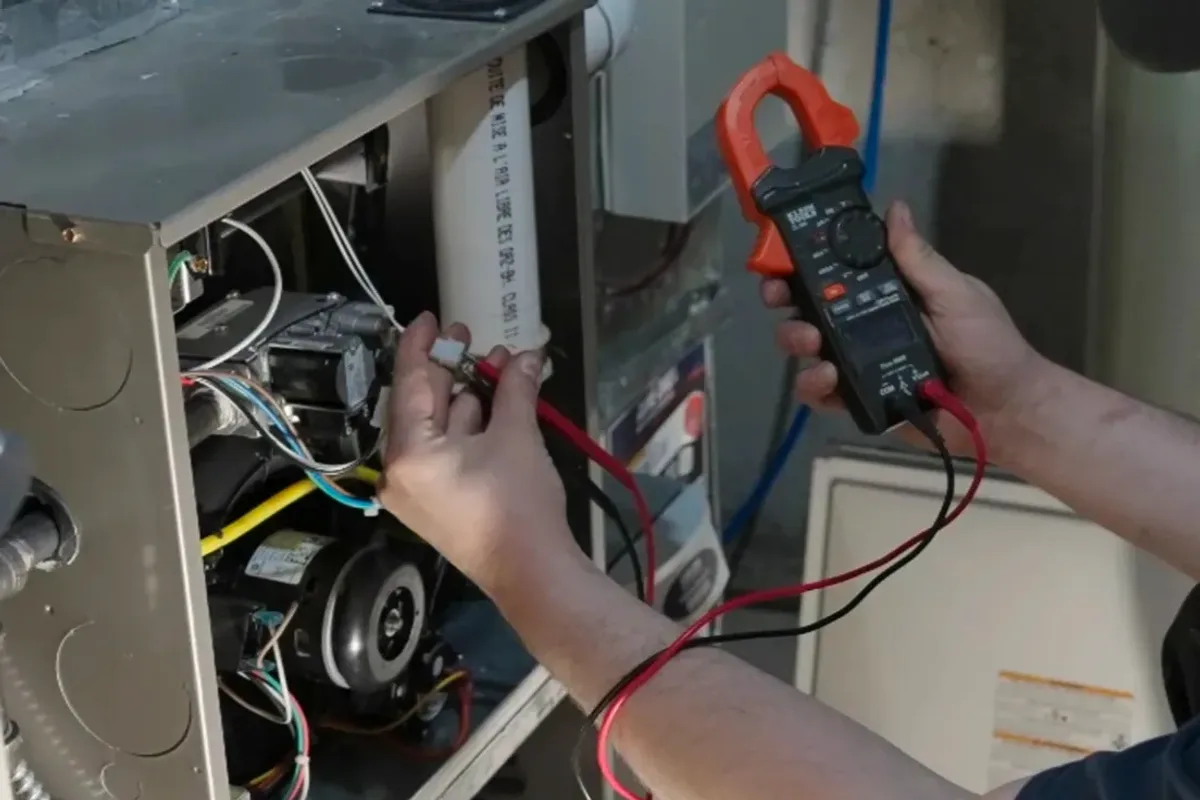
Furnace symptoms can point to different faults, so diagnosis starts by identifying what the equipment does and when it happens. A failed igniter can prevent burner operation, while a blower problem can leave a running furnace unable to move heated air. Intermittent starts, unusual sounds, or uneven heat also help narrow the investigation. Repair decisions should reflect the confirmed fault, the furnace condition, and whether compatible parts are available, rather than treating every no-heat complaint alike.
Note whether the furnace starts, whether burners ignite, whether air moves through the registers, and when any noise or shutdown occurs. The model and fuel type, recent service records, and any displayed fault code can help distinguish ignition, airflow, control, or venting concerns. Do not open equipment or repeatedly reset a furnace; leave internal and fuel-related checks to qualified service personnel.
Ignition, burner, and gas-pressure fault diagnosis
Blower, airflow, thermostat, and limit-control symptoms
Maintenance findings and repair-versus-replacement decisions
Assessment and Scope
Questions for the Proposed Work
01
Separate ignition faults from airflow faults
A furnace that does not light calls for a different investigation than one that lights but does not circulate warm air. Igniter condition, burner operation, and gas-pressure readings may be relevant to an ignition complaint; blower operation and airflow restrictions matter when heat is produced but not delivered. The timing of shutdowns and any diagnostic indication can help identify whether a control or safety device is interrupting operation.
02
Use inspection findings to guide maintenance
Maintenance is a separate decision from repairing an active fault. Inspection findings can show whether a filter or airflow issue, burner condition, thermostat setting, or worn component needs attention. The furnace manual and observed condition should determine maintenance tasks and timing. A maintenance visit cannot establish that a future breakdown will be avoided, and it should not replace diagnosis when the furnace already has a persistent symptom.
03
Compare repair with replacement on condition
A repair may be appropriate when the fault is identifiable, the furnace is otherwise serviceable, and suitable parts remain available. Replacement becomes a separate consideration if inspection finds major deterioration, repeated component failures, or a damaged heat exchanger. For an older single-stage furnace, compare its condition and control arrangement with a proposed high-efficiency model; confirm venting and system compatibility rather than relying on age or operating cost alone.
Compare the next step
Give the contractor an occupant contact for observations and an owner contact for authorization. Ask how findings and approval requests will be recorded before repairs begin. Confirm access to the appliance and any service-agreement requirements so the person reporting no heat is not assumed to approve an unrelated replacement.
Leave burner, fuel, venting, electrical, and internal equipment work to a qualified contractor. Do not bypass a safety switch or repeatedly reset a furnace.