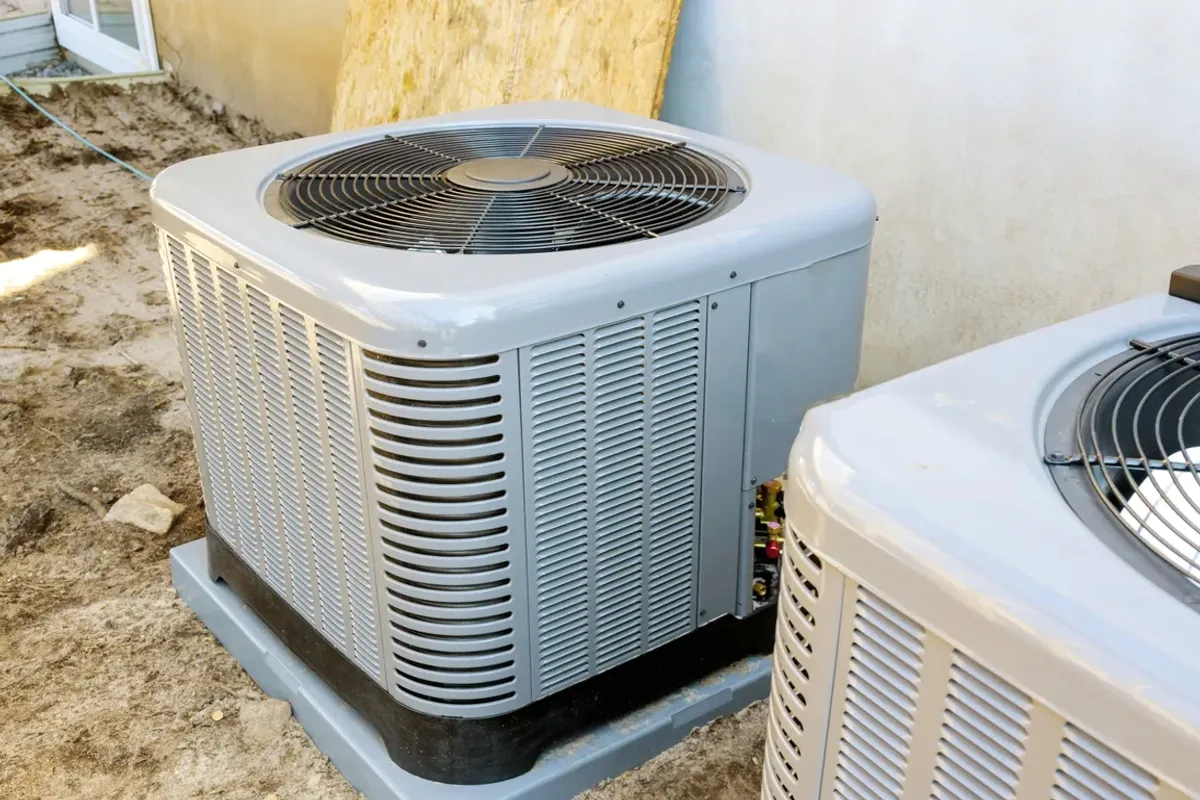
Does the system fail to start, run without cooling, or cool some rooms differently than others?
An air conditioner that will not start, blows warm air, or makes an unfamiliar sound may have an electrical, airflow, coil, control, or refrigerant-circuit problem. The system type matters: central air uses ductwork to distribute conditioned air, while a ductless system has indoor units serving separate spaces. Diagnosis should establish what the equipment is doing before choosing a repair. If a refrigerant leak is suspected, locating its source is different work from simply adding refrigerant.
Record whether the equipment starts, whether the outdoor unit runs, and which rooms or ductless zones are affected. Note recent changes, visible water near equipment, unusual sounds, and any displayed fault code. The system model and prior service records help distinguish airflow or electrical concerns from a coil or refrigerant-circuit fault. Do not open electrical compartments or handle refrigerant; these checks require service personnel.
Central-air and ductless cooling symptoms
Airflow, coils, electrical controls, and refrigerant faults
Maintenance inspection and refrigerant-related replacement considerations
Assessment and Scope
Questions for the Proposed Work
01
Trace warm air to its source
Warm air can result from restricted airflow, a control or electrical fault, or a problem in the cooling circuit, and those possibilities call for different tests. For central air, compare airflow at several registers and note whether the outdoor unit operates. For ductless equipment, identify which indoor heads are affected. Coil condition and refrigerant measurements can help establish whether a circuit fault or leak investigation is needed.
02
Treat maintenance as inspection, not repair
Maintenance does not substitute for diagnosing a system that is already cooling poorly. Inspection findings can guide attention to filters, coils, airflow, electrical connections, thermostat operation, and refrigerant-circuit condition. The equipment instructions and observed condition should determine the appropriate maintenance tasks and timing. A suspected refrigerant leak needs a cause identified and addressed; repeated refrigerant additions alone do not establish or correct the source.
03
Weigh repair against replacement carefully
A targeted repair may make sense when the fault is confirmed and the equipment and parts remain serviceable. Replacement is a separate decision if the system has major deterioration, an expensive recurring fault, or refrigerant and component constraints that affect future service. Compare the repair scope with the condition of the whole system, its refrigerant type, and whether the proposed replacement fits the existing ductwork or ductless layout.
Compare the next step
Agree on who can provide indoor and outdoor access, answer questions about the symptoms, and accept a repair scope. Ask that diagnosis and any additional work be communicated to the authorized decision-maker. Keep the equipment record and previous invoices available rather than relying entirely on an occupant description.
Do not open electrical panels or handle refrigerant. If ice, water near electrical equipment, or abnormal operation is present, stop using the affected system and request an assessment.