
Share the property details
Send the location, equipment, symptoms or planned changes, and who can approve the work. Existing labels and service records help define the request.
Now part of the
 family
Need help with heating or cooling in Sarnia? Describe the repair, installation or maintenance you need. Confirm service availability, pricing and appointments with the provider before booking.
Are the proposals based on the same equipment, property and intended result?
Compare the exact equipment and design assumptions, the work included or excluded, and the assessment, price and completion terms. A headline equipment price alone does not describe an installed system.
View ductless ac installation services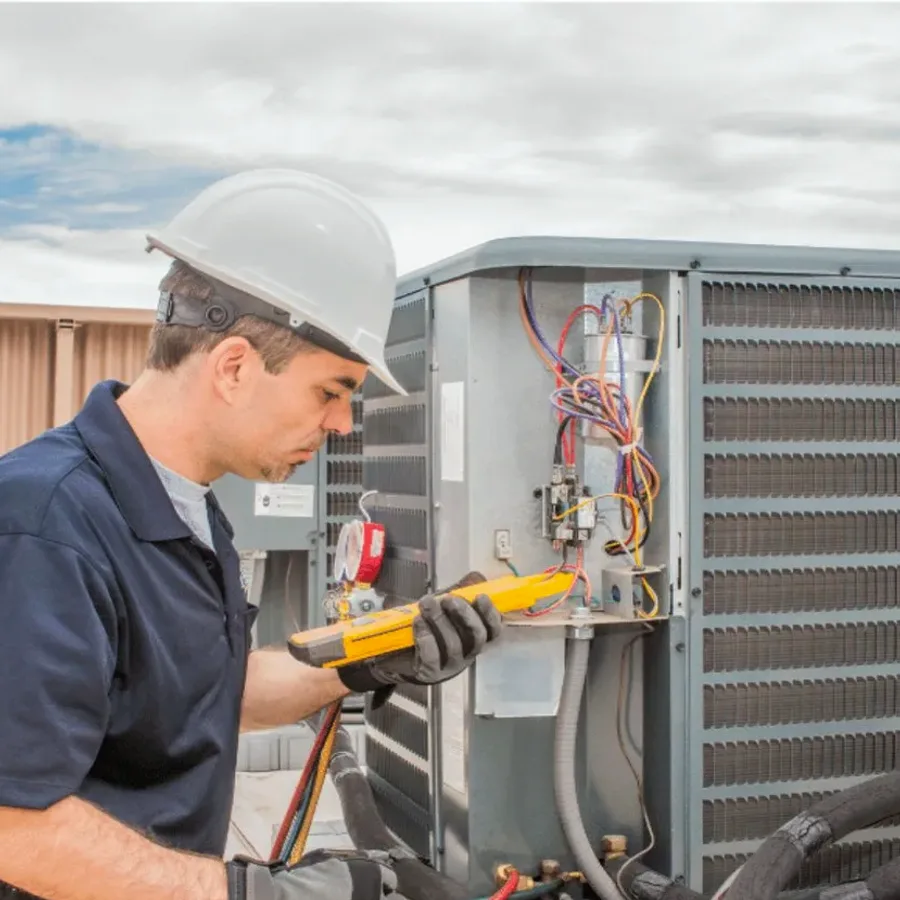
Describe the work first, then confirm the people, timing, and terms before making a commitment.
Send the location, equipment, symptoms or planned changes, and who can approve the work. Existing labels and service records help define the request.
The enquiry team reviews the request and shares it with a relevant service provider for follow-up using your contact details. Confirm contractor coverage, qualifications and how the property will be assessed before agreeing to an appointment.
Ask which findings support the work, what is included or excluded, and how completion will be checked. Agree on pricing and terms with the contractor.
Start with the installed equipment and its manufacturer instructions. Maintenance needs depend on the appliance and its use. Keep service records and ask a qualified contractor which seasonal inspections apply.
When requesting work for a property in Sarnia or nearby Point Edward, Corunna and Petrolia, obtain agreement on head locations, exterior equipment, penetrations, and drainage from the person authorized to change the property. Ask which building permissions and electrical work are included. Record who approves variations and finish repairs so the installation proceeds from an agreed layout rather than a room occupant preference alone.
An assessment should record room dimensions, window exposure, insulation and air leakage conditions, intended use, and any adjoining spaces served by an indoor unit. These observations inform the load calculation and zoning plan. Wall access, electrical-panel capacity, the route and length of refrigerant piping, and a suitable condensate path can change installation scope, so they should be considered before equipment is selected.
A load calculation considers the rooms to be served and their heat gain, rather than relying only on floor area. Oversizing can lead to frequent cycling and poor moisture removal; undersizing can leave the system unable to meet demand under its design conditions. The proposed capacity and number of indoor units should correspond to calculated loads and the intended zoning, with separate spaces considered individually where needed.
Indoor-unit locations affect air distribution, service access, drainage, and the route for refrigerant piping to the outdoor unit. A long or obstructed line-set route, limited wall access, or electrical-panel constraints can change the installation plan. The outdoor location also needs appropriate clearances and a practical service path. Identify these conditions before finalizing equipment and scope, rather than assuming every room can be served from one placement.
After installation, maintenance should follow the selected system's instructions and inspection findings. Depending on the model, washable filters may need cleaning and the outdoor coil may need to remain clear of obstructing debris. These routine observations do not replace service for a leak, electrical fault, or drainage problem. Ask which maintenance tasks apply to the particular equipment and which concerns require a service assessment.
Share the property location and the work you need so the request can be reviewed.